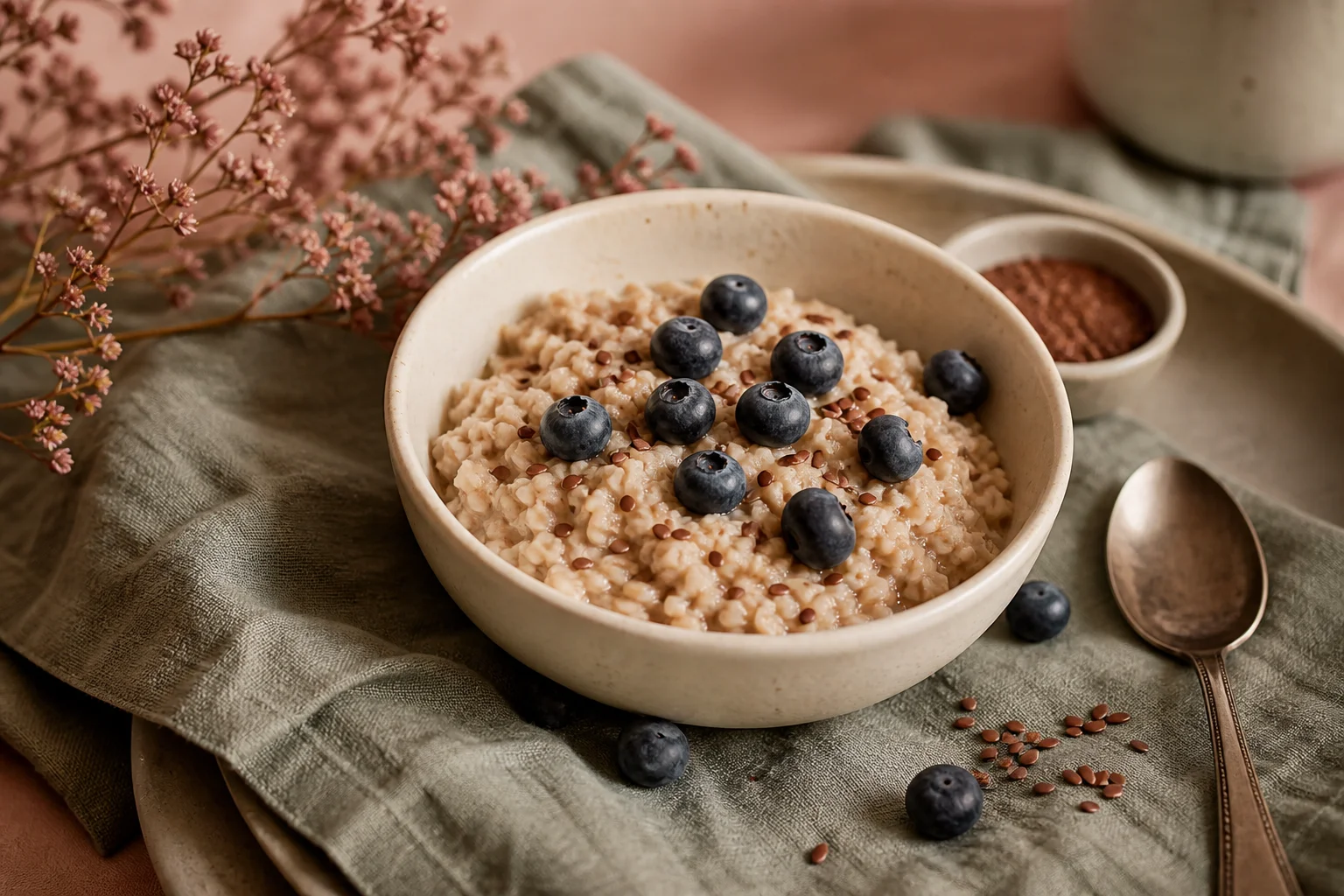
Porridge, blueberries & flaxseed
A warm breakfast with oats, blueberries and flaxseed — cooked with no added salt. A combination that adds fibre and helps breakfast last, especially when portion size is right.
Below are sample dishes from our diet for balanced blood pressure. We show how each plate keeps salt and sodium low — using herbs, citrus and spice instead — while building in vegetables, lean protein and potassium-rich foods.
A warm breakfast with oats, blueberries and flaxseed — cooked with no added salt. A combination that adds fibre and helps breakfast last, especially when portion size is right.
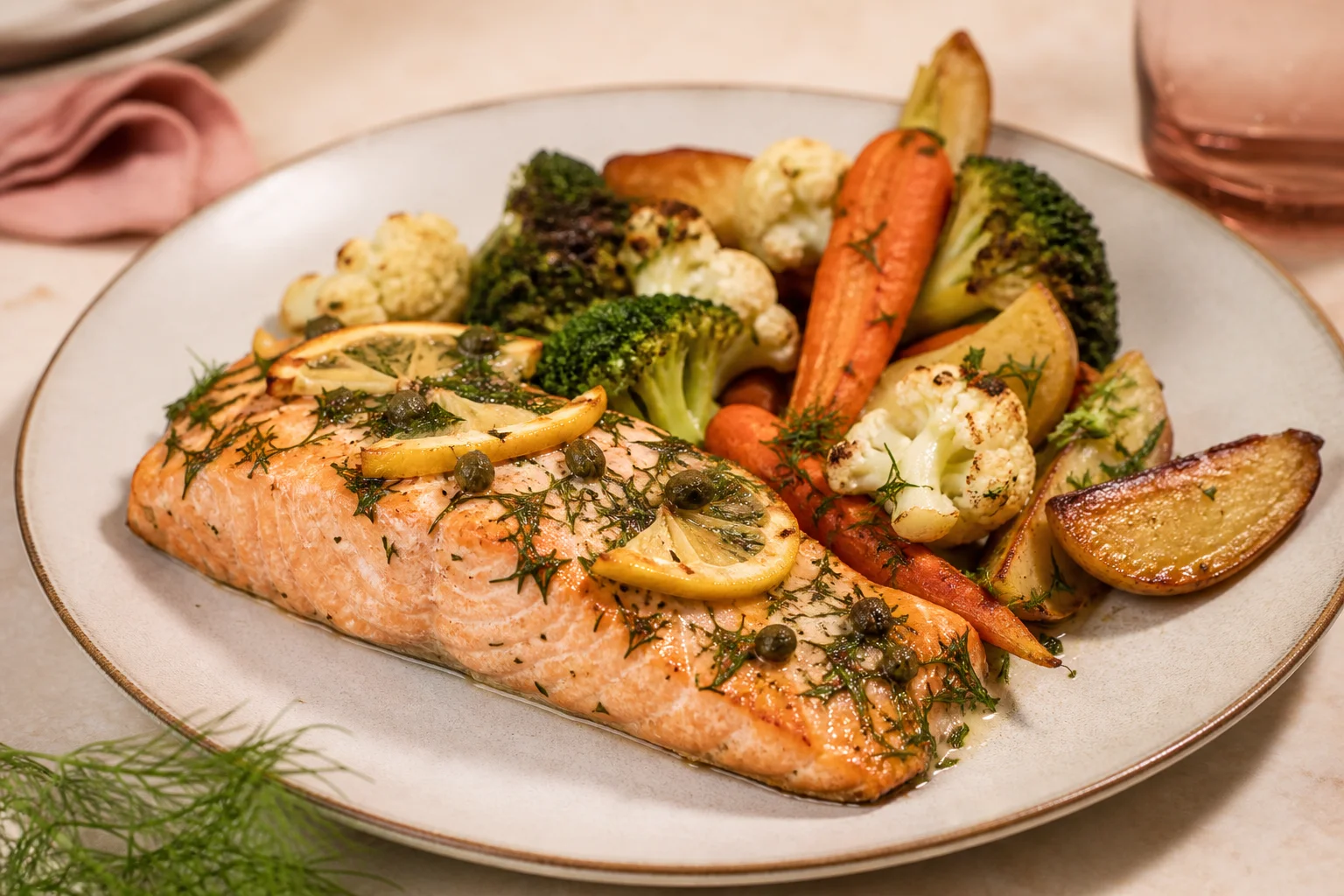
Salmon seasoned with lemon, dill and black pepper instead of salt, with plenty of roasted vegetables and olive oil. A plate structure that balances the meal — protein, fibre and healthy fats without leaning on salty sauces.
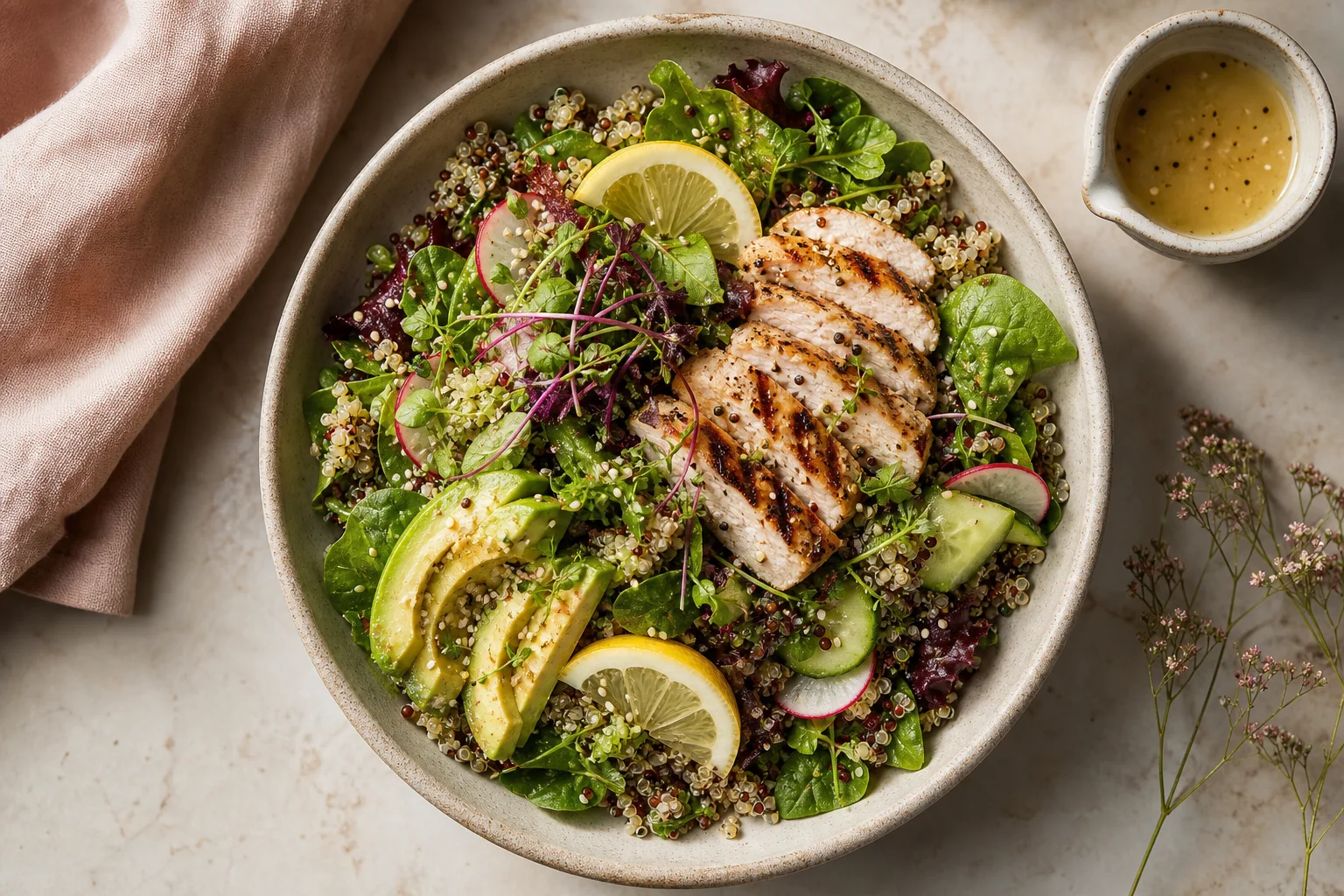
Quinoa in a controlled portion, lemon-marinated chicken, leafy salad, avocado and sesame. A bowl that pairs whole-grain carbohydrate with protein, potassium-rich greens and healthy fats — with a light, salt-aware dressing.
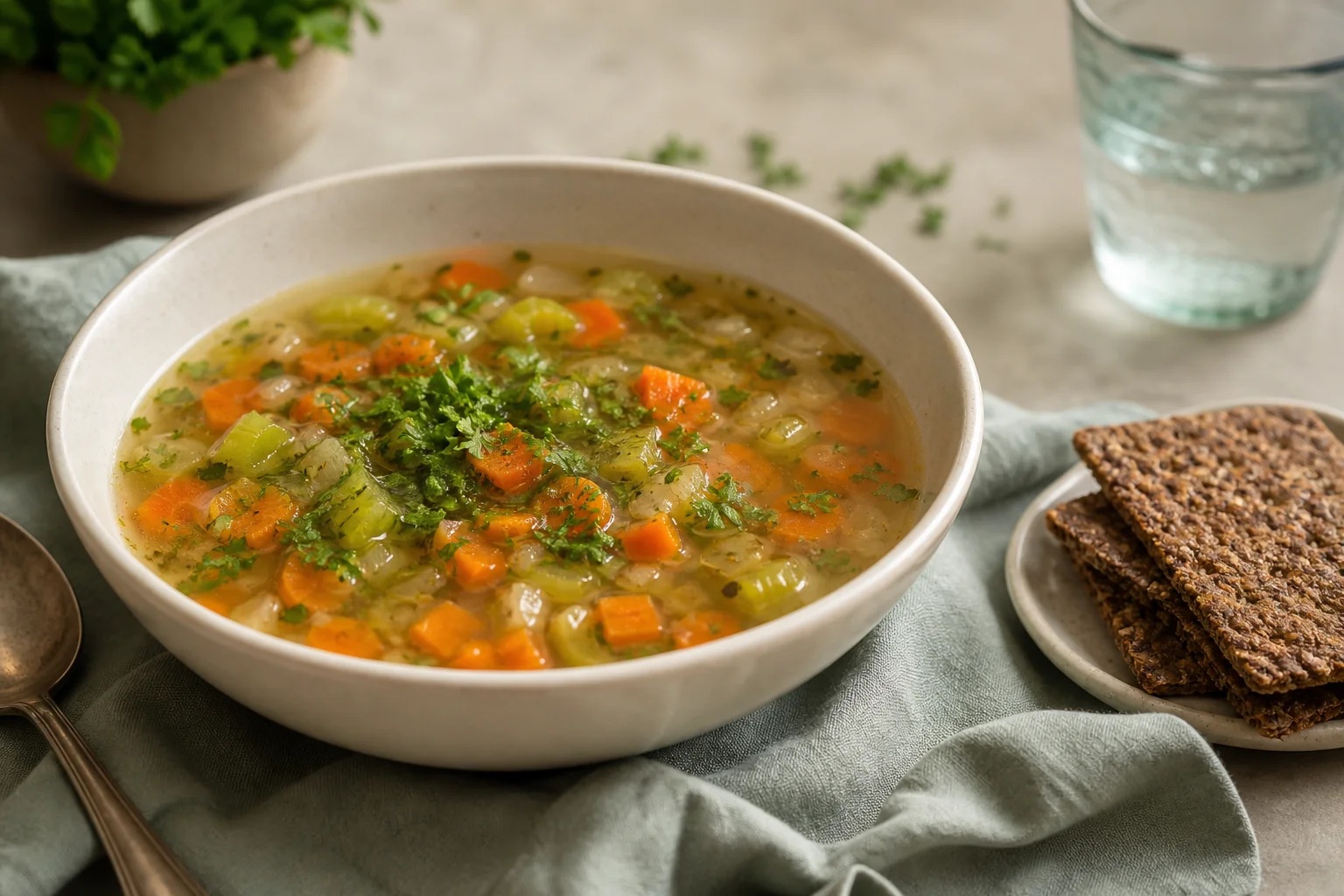
A mild vegetable soup built on home-made low-sodium stock and fresh herbs. Ideal when you want something light, with emphasis on vegetables, fibre and a clear portion.
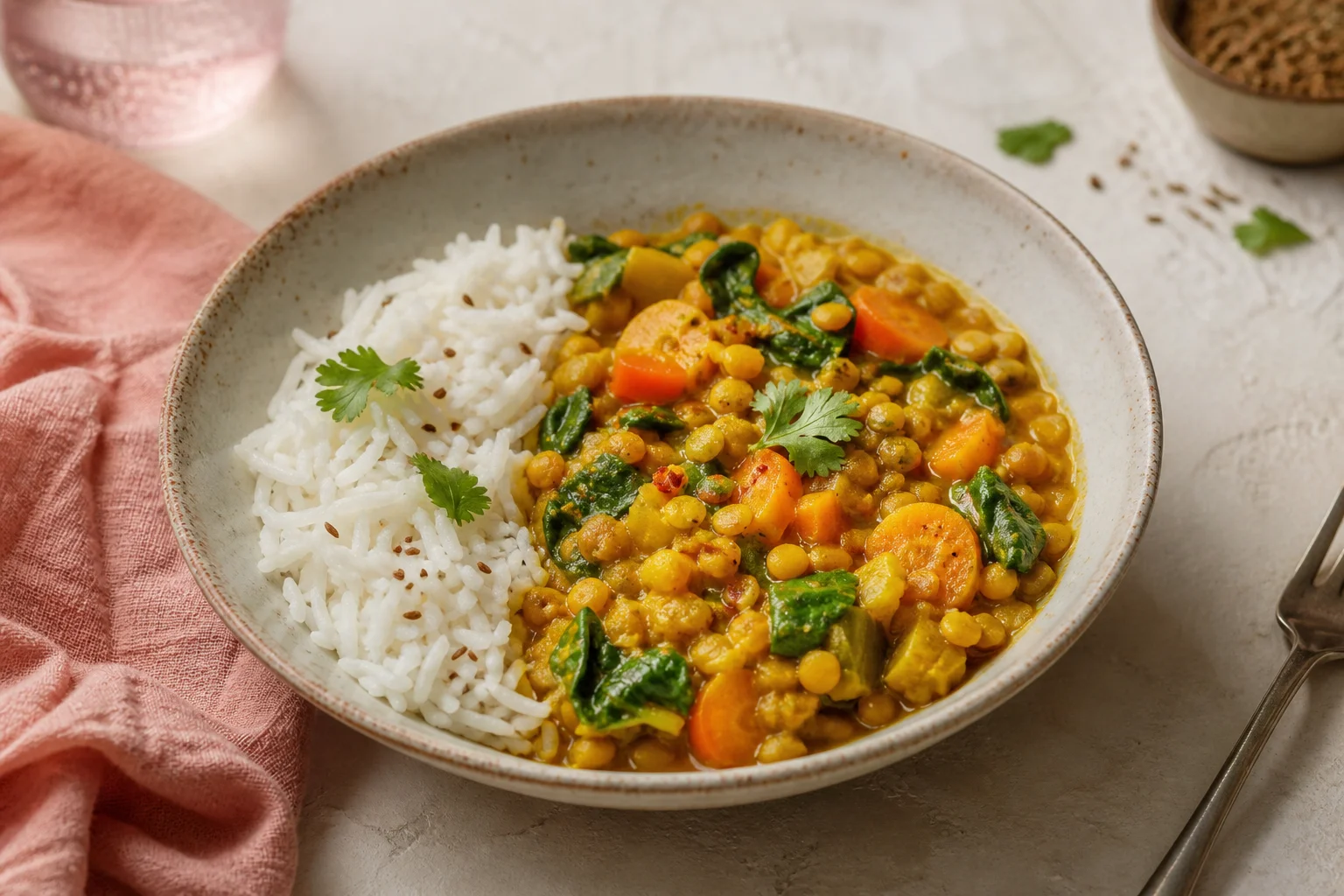
Pulses plus vegetables and a small, measured portion of rice. Built on warm spices (cumin, coriander, turmeric) rather than salt — a plant-forward, potassium-rich dish that keeps dinner calmer.
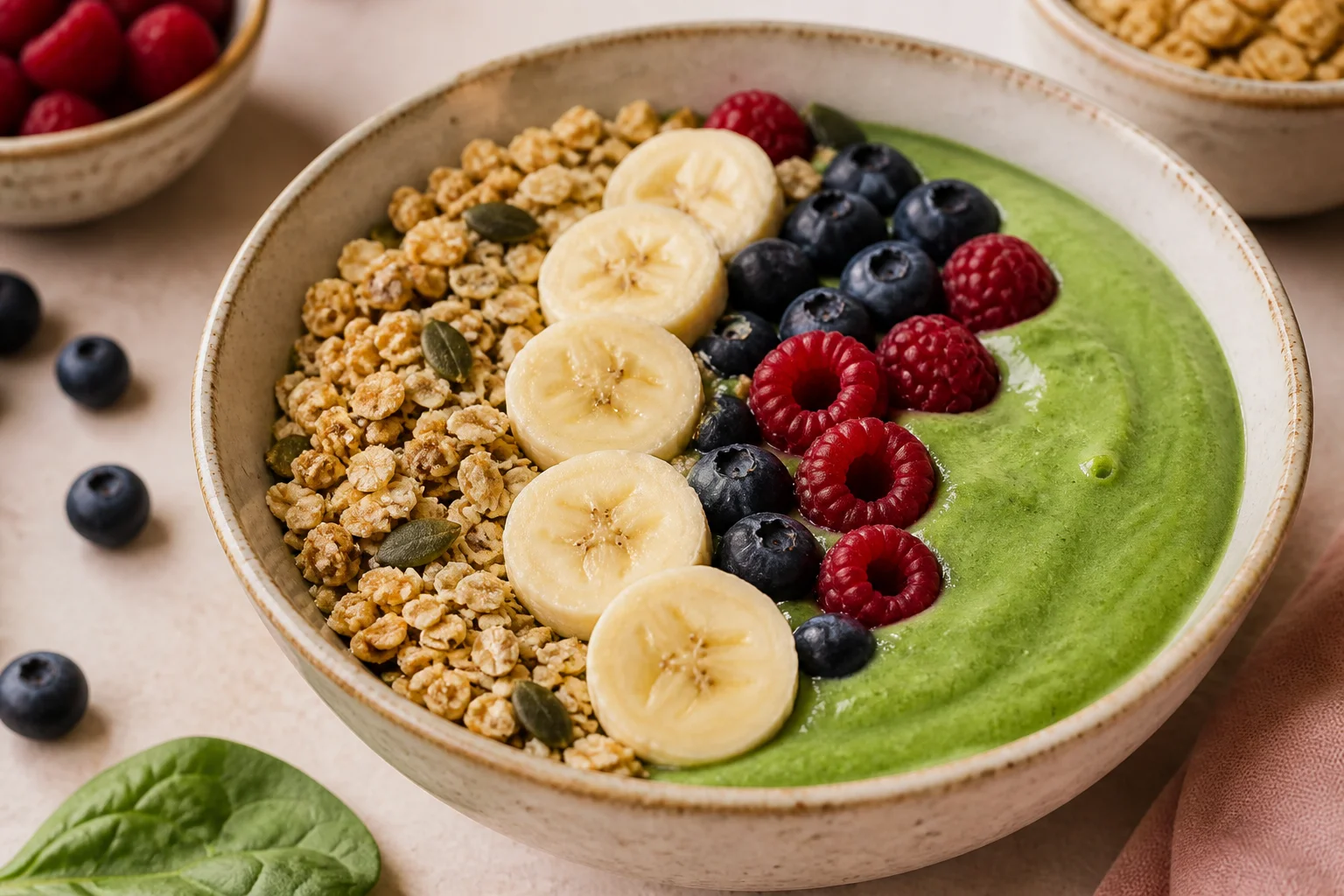
A smoothie bowl with spinach, banana and fruit — naturally rich in potassium and with no added salt. Toppings add fibre and crunch; fruit and granola portions stay controlled.
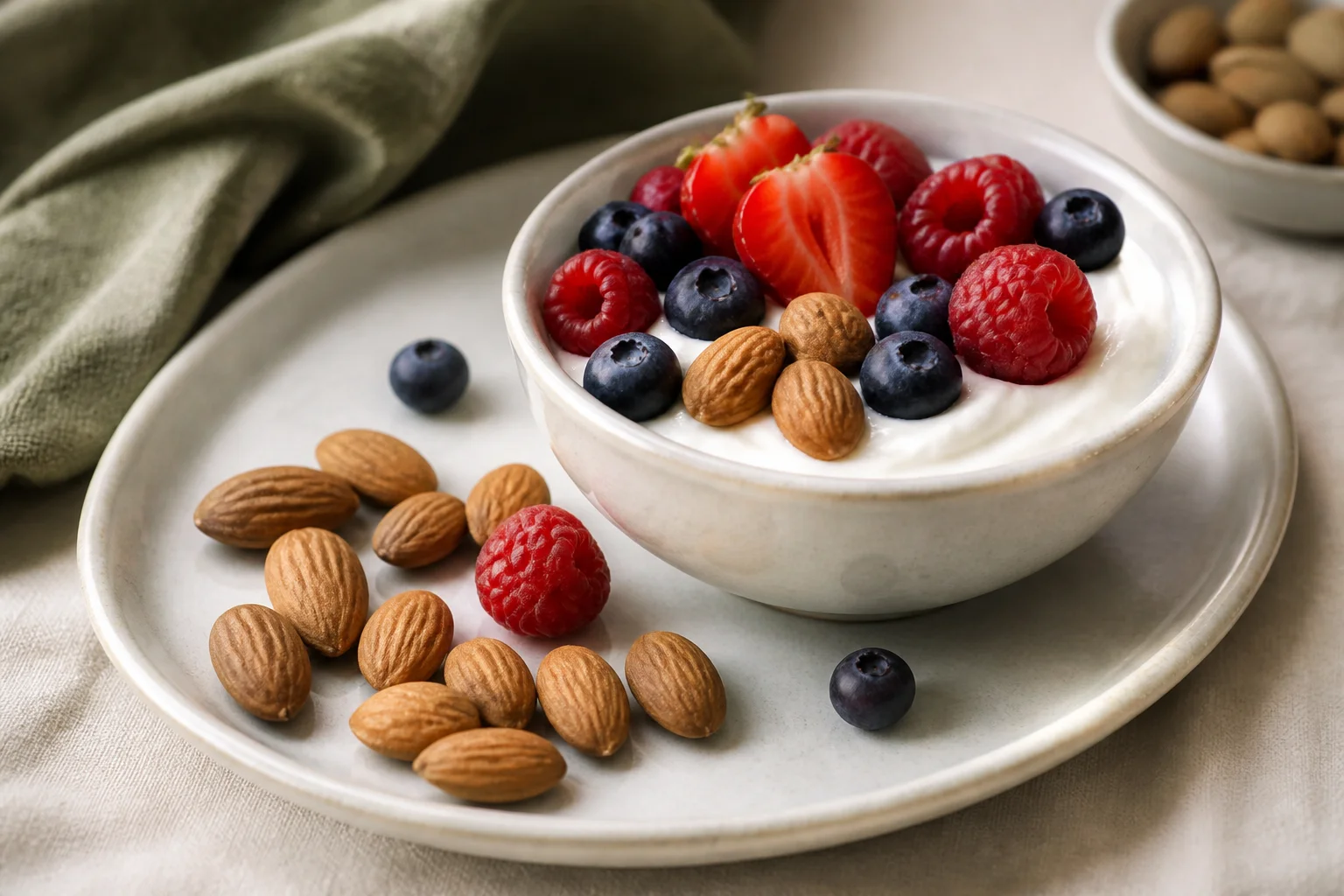
A combination of unsalted almonds, fresh fruit and natural yoghurt — pairing fruit with protein and healthy fats. A practical alternative to crisps or salted snacks when you need something small.
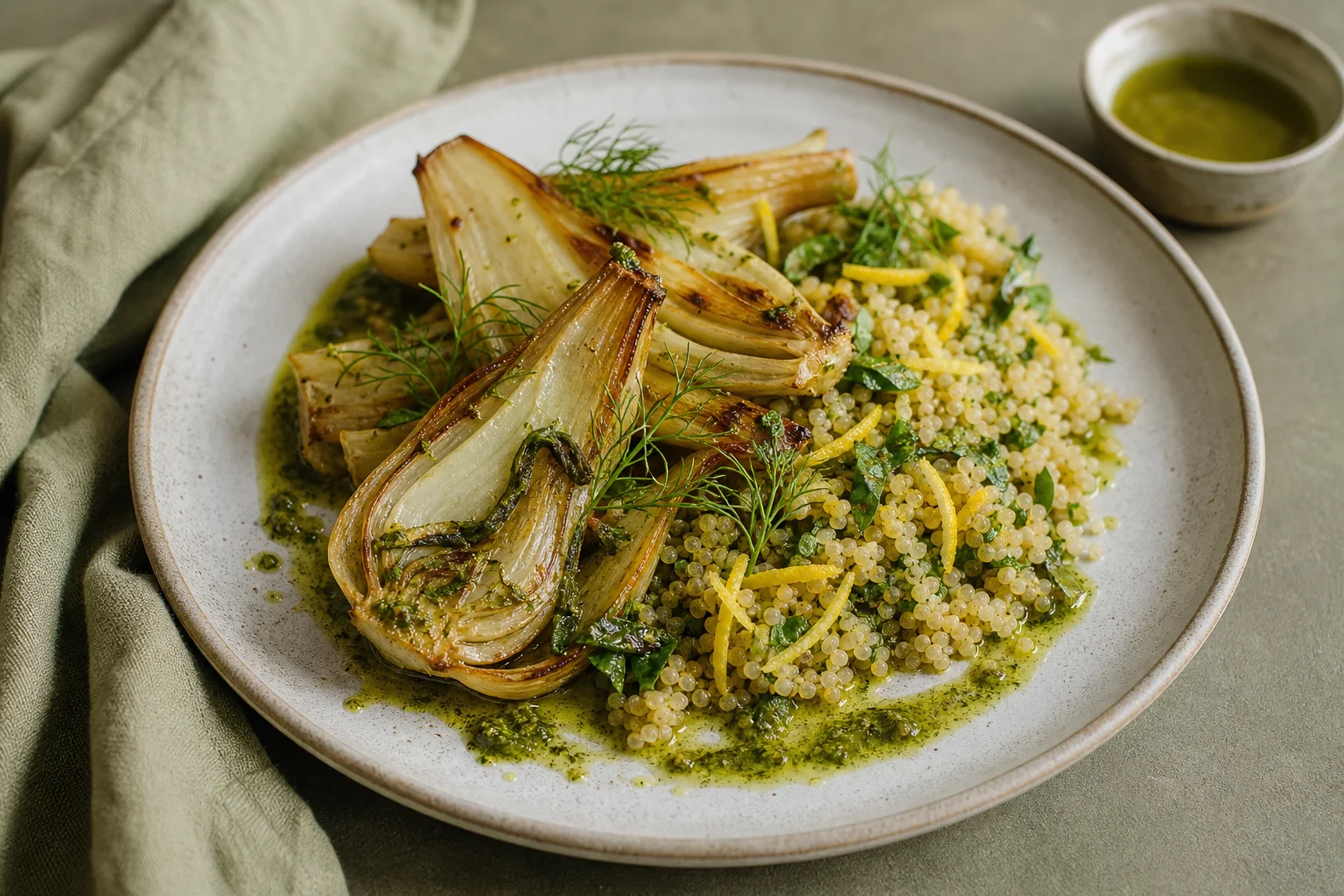
Oven-roasted fennel, lemon quinoa and a light basil-oil dressing (no added salt), with walnuts on top. A warm, mostly plant-based dish that suits a British Harvest week and a low-salt routine.
In short: by lowering salt and sodium while building a balanced plate (vegetables + lean protein + whole grains + potassium-rich foods). This is the everyday idea behind the diet — it is food, not treatment or a promise of results.
Regular meals and targeted snacks reduce long gaps — and the salty grab-and-go choices that often follow.
Each dish is built around vegetables, lean protein, whole grains and potassium-rich foods, with herbs and citrus carrying the flavour instead of heavy salt.
When the plan is ready, it is easier to stick to steady, low-salt choices — especially on difficult days.
A low-sodium diet is one piece of the picture. Together with sleep, movement and any plan from your doctor, it supports balanced blood pressure.
This is how a blood-pressure-friendly week might look in practice. Each week changes with the season and your preferences — portions, salt level and ingredients are tailored individually.
Porridge, blueberries & flaxseed
Baked salmon & roasted vegetables
Pulse curry & basmati rice
Spinach & banana smoothie bowl
Quinoa bowl, chicken & vegetables
Roasted fennel & quinoa
Rye bread, cottage cheese & tomato
Gentle vegetable soup & rye crispbread
Red lentil stew & bulgur
Almonds, fruit & yoghurt
Tuna salad & wholegrain pasta
Baked salmon & lemon potatoes
Porridge & fresh fruit
Chicken & bulgur bowl
Vegetable wok with tofu & jasmine rice